Direct Hotel Bookings: How to Reduce Dependence on Booking.com and Other Platforms
A direct booking system allows hotels and accommodation providers to accept reservations through their own websites, manage availability, and build stronger guest relationships without relying exclusively on third-party platforms.
By Serginho 6 min read Updated November 4, 2026
In this article
- Why Do Hotels Depend So Much on Booking Platforms?
- Your Hotel Website Should Also Allow Guests to Book
- How to Prevent Double Bookings and Availability Problems
- Online Payments, Confirmations, and Administrative Efficiency
- Building Direct Relationships With Guests
- Should Hotels Build Their Own Booking System or Use Existing Software?
- Direct Bookings as Part of a Hotel's Commercial Strategy
A hotel may have rooms available, receive visitors through its website, and still generate most of its reservations through platforms such as Booking.com or Expedia. These intermediaries provide visibility and access to travelers who might not otherwise discover the property, but they also introduce commercial costs that affect the profitability of each booking.
For independent hotels, boutique properties, guesthouses, and other accommodation providers, implementing a direct booking system can help diversify sales channels. The objective is not necessarily to abandon third-party platforms, but to transform the hotel's website into a commercial channel where guests can check availability and complete reservations.
Why Do Hotels Depend So Much on Booking Platforms?
Online travel agencies, commonly known as OTAs, account for a significant share of accommodation searches. They allow travelers to compare properties, check availability, read guest reviews, and complete reservations within a single platform. For hotels, these services provide access to a broad audience without requiring them to build an equivalent marketing and distribution infrastructure.
However, reservations made through these platforms may involve commissions and commercial conditions that affect the property's net revenue. The initial relationship with the guest is also typically managed through the intermediary, which can limit certain opportunities for direct communication and customer loyalty initiatives.
This does not mean OTAs are inherently disadvantageous. For many accommodation providers, they remain essential customer acquisition channels. The challenge arises when nearly all reservations depend on these platforms and the hotel has limited alternatives for generating direct sales.
Your Hotel Website Should Also Allow Guests to Book
Many accommodation businesses have websites displaying rooms, photographs, amenities, and contact information, but visitors must call, send an email, or use WhatsApp to check availability. This introduces unnecessary waiting time and may encourage potential guests to complete their reservations through another platform.
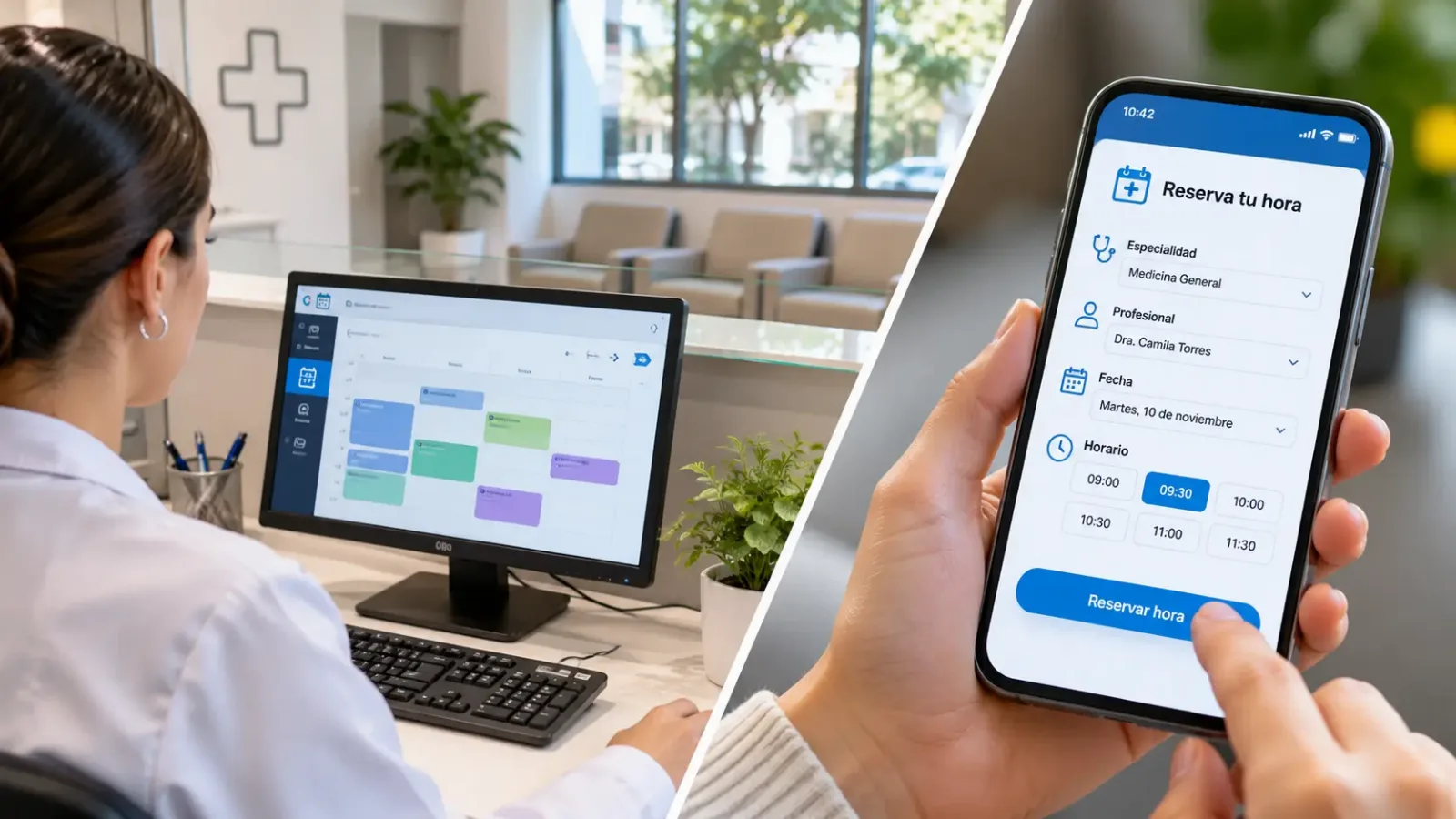
A booking engine integrated into the hotel's website allows visitors to select dates, view available rooms, compare rates, and submit or confirm reservations, depending on the system's configuration. It may also include cancellation policies, payment conditions, and automated communications.
For example, a couple planning a weekend in Valparaíso could visit a boutique hotel's website, select a room, and complete their reservation without waiting for reception staff to respond. For the property, this creates a sales opportunity that does not depend entirely on manual customer service.
DodoLab develops booking and appointment solutions that can be adapted to different operating models, including accommodation businesses that need to manage availability, booking requests, and confirmations through their own digital channels.
How to Prevent Double Bookings and Availability Problems
One of the main challenges of managing multiple sales channels is keeping room availability updated. If a room is booked through the hotel's website but continues to appear as available on an external platform, two guests could reserve the same accommodation for overlapping dates.
To reduce this risk, hotels can use synchronization tools such as channel managers, which coordinate room inventory and reservations across compatible distribution channels. The effectiveness of these integrations depends on the platforms involved, their connection methods, and how frequently information is updated.
A direct booking system should address this requirement during the planning stage. Developing a booking engine without determining how availability will be synchronized can transfer additional work to reception staff and increase the risk of operational errors.
Before implementing a new platform, hotels should therefore review their existing applications, reservation procedures, and available integration options.
Online Payments, Confirmations, and Administrative Efficiency
A booking system can also simplify activities that would otherwise require manual intervention. Receiving reservation requests, sending confirmations, recording guest information, and communicating accommodation policies are processes that can be organized through automated workflows.
Integration with payment providers may allow hotels to collect deposits or process reservation payments when required. In Chile, these capabilities should be evaluated according to available payment services, transaction fees, commercial conditions, and technical integration requirements.
Automated confirmations also help provide consistent information about reservation dates, room categories, cancellation policies, and purchased services. However, automation does not eliminate the need for human assistance, particularly when guests request changes, require special arrangements, or encounter unexpected situations.
The objective is to reduce repetitive administrative tasks so employees can dedicate more attention to activities requiring personalized service.
Building Direct Relationships With Guests
Direct reservations can also strengthen communication between accommodation providers and their customers. When guests book through the hotel's website, the property can organize the information necessary for their stay and establish reservation-related communications while respecting applicable personal data protection requirements.
This relationship creates opportunities to provide pre-arrival information, introduce additional services, and facilitate future reservations. Hotels that understand their guests' preferences, within the applicable legal framework, may be better positioned to develop customer loyalty initiatives.
Depending on the property, these initiatives could include returning guest benefits, special offers for future stays, or loyalty programs. However, such activities should form part of a broader commercial strategy rather than depend exclusively on the installation of new software.
Should Hotels Build Their Own Booking System or Use Existing Software?
Not every hotel needs to develop a booking engine from scratch. Commercial solutions are available that can be integrated into an existing website and address the typical requirements of small and medium-sized accommodation providers, often through subscriptions or service-related fees.
Custom development may be justified when a property has specialized operational requirements, needs to connect internal applications, manages different accommodation types, or requires features that available products do not support.
Before making a decision, hotel operators should compare implementation costs, integration capabilities, maintenance requirements, security, and future scalability. The mobile booking experience also deserves particular attention, as a complicated reservation process can cause visitors to abandon their bookings before completion.
A custom-developed business system should address identifiable operational requirements rather than simply reproduce functionality already available through more affordable commercial products.
Direct Bookings as Part of a Hotel's Commercial Strategy
Reducing dependence on external booking platforms requires more than adding a reservation form or booking engine. Hotels need a reliable website, accurate information, transparent booking conditions, and a user experience that makes reservations straightforward. They must also improve their visibility in search engines and give travelers compelling reasons to book directly.
External platforms can continue playing an important role in attracting new guests, while the hotel's own website provides an opportunity to develop direct customer relationships and diversify reservation sources.
DodoLab Chile develops digital solutions for businesses seeking to organize operations and strengthen their customer service and sales channels. For hospitality projects, the starting point is understanding how reservations are received, managed, and confirmed, then evaluating a technology solution that fits the property's operational requirements.
Frequently asked questions
1. Can a hotel accept direct bookings while continuing to use Booking.com?
Yes. Hotels can maintain their listings on Booking.com and other travel platforms while accepting reservations through their own websites. The important consideration is keeping room availability synchronized across channels to reduce the risk of double bookings.
2. Does a hotel need a channel manager to accept direct bookings?
Not necessarily. This depends on the property's size, number of rooms, and distribution channels. Hotels operating across multiple booking platforms may benefit from a compatible channel manager, while smaller properties using fewer channels may be able to manage availability through simpler procedures.
3. How much does it cost to implement a hotel booking system?
Costs depend on the required features, number of rooms, integrations, and type of solution. Commercial booking engines typically involve recurring fees, while custom-developed systems generally require a larger initial investment. Maintenance, technical support, transaction fees, and integration costs should also be considered.
Was this article helpful?
Get an assessment